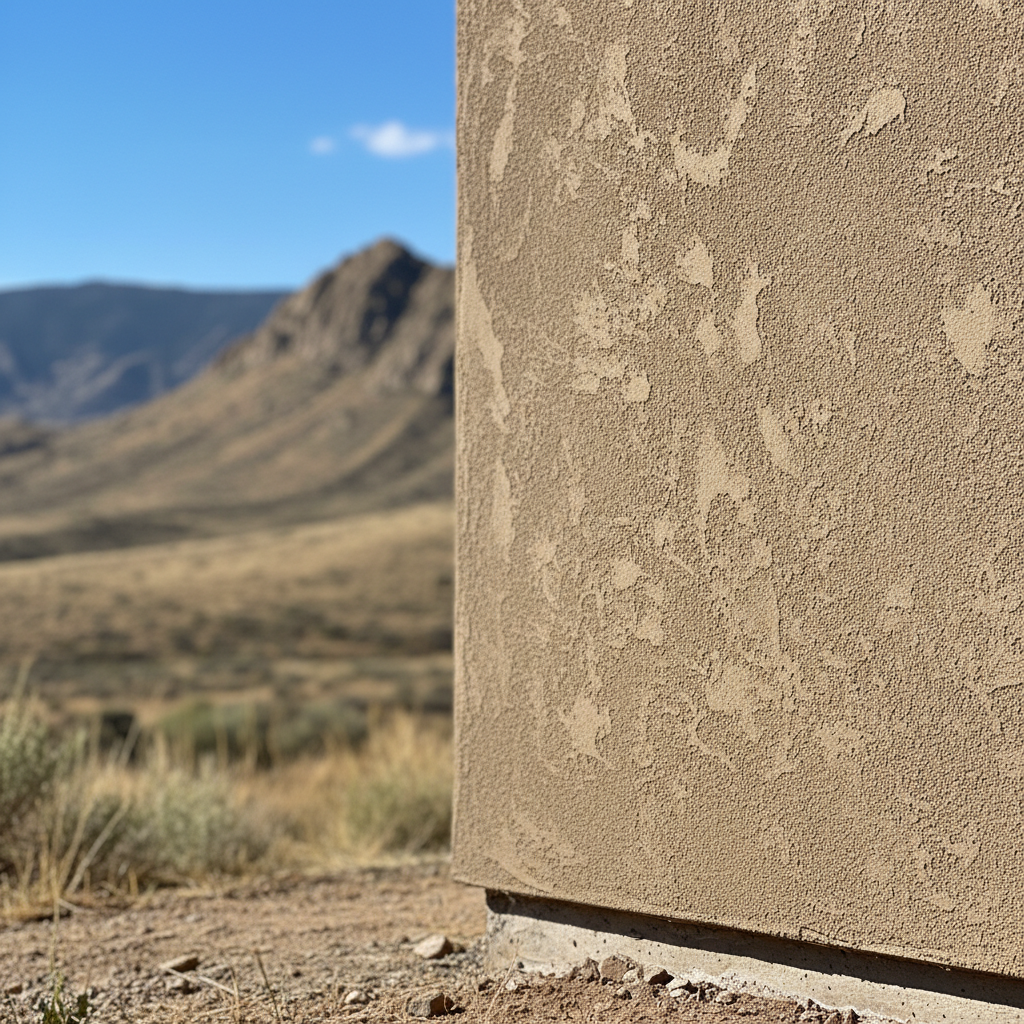
Alright, Herriman homeowners, let us talk about Stucco. You have a beautiful home, and that Stucco exterior is an important part of its charm and also its protection. But like anything else, Stucco needs some attention to keep doing its job correctly. Peak Stucco Inc has seen too many people wait until a small Stucco issue turns into a very big problem. You do not want to be one of those people. This is not about making you worried; it is about giving you the information you need to know what is happening with your home's Stucco.
Stucco is very tough, do not get us wrong. Stucco handles our Herriman weather very well. This includes the hot, dry summers and the cold, snowy winters with their freeze-thaw cycles. But those very weather conditions also put a lot of stress on the Stucco, causing it to expand and also contract. In addition, our local clay-rich soil in Herriman can shift, and that movement can lead to Stucco cracks. So, a little proactive Stucco inspection goes a long way. Let us break down what you need to know about Stucco.
Before You Even Think About a Stucco Project: Your DIY Visual Stucco Check
Before you hire anyone or even consider a major Stucco project, you need to do your own homework. Grab a notepad, a pen, and take a walk around your Herriman house. Do this at least two times a year, maybe once in the spring after the snow melts and again in the fall before winter begins. Think of this like a health check-up for your home's Stucco.
- Look for Stucco Cracks: Not all Stucco cracks are bad, but you need to know the difference. Hairline Stucco cracks, those thin, spiderweb-like ones, are often just cosmetic and are pretty normal. They are usually less than 1/16 of an inch wide and do not run in a straight line. You will often see them around window and door corners where there is natural stress on the Stucco. However, Stucco cracks wider than 1/8 of an inch, or ones that run diagonally from windows or doors, or even in a stair-step pattern, are red flags for your Stucco. These can point to movement in your home's framing or foundation, or worse, water getting behind the Stucco.
- Spot Stucco Stains and Discoloration: Dark streaks on your Stucco, especially below windows, or any kind of discoloration on the Stucco, can mean moisture is getting in. White, powdery stuff, which we call efflorescence, is another sign that water is moving through the Stucco and leaving mineral deposits behind. If you see these on your Stucco, it is a definite sign to dig deeper into the Stucco problem.
- Feel for Soft Spots in the Stucco: Stucco should feel hard. If you press on an area of Stucco and it feels soft, spongy, or gives way, that is a big problem for your Stucco. It means moisture has saturated the Stucco material and is causing it to deteriorate from the inside out.
- Check Around Openings in the Stucco: Windows, doors, vents, and even electrical outlets are common spots for water to sneak into your Stucco. Look closely at the sealant around these areas. If it is cracked, brittle, or missing, it is an open invitation for water to get into the Stucco. Also, check the flashing, which is that metal or plastic strip designed to direct water away from the Stucco. Is it doing its job?
- Examine the Stucco Foundation Line: This is important for your Stucco. Make sure the weep screed at the base of your Stucco walls is not clogged or damaged. This is how water drains out of the Stucco system. If it is blocked, water gets trapped behind the Stucco. Also, make sure your landscaping is not causing water to pool against the Stucco.
During a Stucco Project: What to Watch For
If you have a Stucco project going on in Herriman, whether it is a Stucco Repair or a full Stucco re-dash, you have a right to know what is happening. Even if you have hired a professional like Peak Stucco Inc, it is smart to understand the Stucco process. A good Stucco contractor will be transparent, but it does not hurt to be informed about your Stucco.
- Proper Stucco Installation Matters: A lot of Stucco issues come down to improper Stucco installation. This includes things like not applying the Stucco at the right thickness or not letting Stucco layers cure properly.
- Stucco Water Management is Key: Stucco is a water-managed system. That means Stucco relies on a weather-resistant barrier and proper flashing underneath to keep moisture out of your wall assembly. If you see them cutting corners on these steps for your Stucco, speak up.
- Stucco Control Joints: Stucco moves, especially in our Herriman climate. Large, uninterrupted sections of Stucco are more prone to Stucco cracking. Good Stucco contractors will include control joints to accommodate this movement in the Stucco.
After the Dust Settles: Ongoing Stucco Maintenance and When to Call a Stucco Professional
Once your Stucco project is done, your job is not over. Regular Stucco maintenance is how you protect your Stucco investment.
- Keep your Stucco Clean: Dirt and grime can build up on your Stucco. You can clean your Stucco with a garden hose and a soft-bristle brush. Avoid high-pressure power washers, though, as they can damage the Stucco surface. For tough Stucco stains, a mild soap and water solution works.
- Address Stucco Cracks Promptly: Remember those hairline Stucco cracks? While often cosmetic, they can let water into your Stucco if left untreated. Seal them with a flexible Stucco caulk. Small Stucco repairs like this can save you big money later on.
- Maintain Stucco Drainage: Keep your gutters and downspouts clean and make sure they direct water at least five feet away from your home's Stucco foundation. Pooling water is a Stucco killer.
- When to Call Peak Stucco Inc (or another professional): This is important for your Stucco. While you can do a lot of visual Stucco inspection yourself, some things need a Stucco professional.
You should call a Stucco expert if:
- You see Stucco cracks wider than 1/8 inch.
- You find soft spots or bulging areas in your Stucco.
- There are persistent dark Stucco stains, mold, or efflorescence that you cannot explain or clean away from your Stucco.
- You notice doors or windows suddenly sticking or not closing properly. This can indicate structural movement affecting your Stucco.
- You are buying or selling a Stucco home in Herriman, especially if it is a "stick-built" home. A professional Stucco inspection can give you peace of mind and prevent nasty surprises with your Stucco.
- You simply want a highly accurate moisture reading or to confirm hidden Stucco damage. Stucco professionals have specialized tools like moisture meters and thermal imaging to see what is happening behind the Stucco walls.
Peak Stucco Inc recommends a professional visual Stucco inspection every couple of years, or every 3-5 years in Herriman given our climate. Catching Stucco issues early is always cheaper than fixing a Stucco disaster. Your home's Stucco exterior is its first line of defense, so let us keep it strong. Peak Stucco Inc provides Stucco services for homes in Herriman, UT.