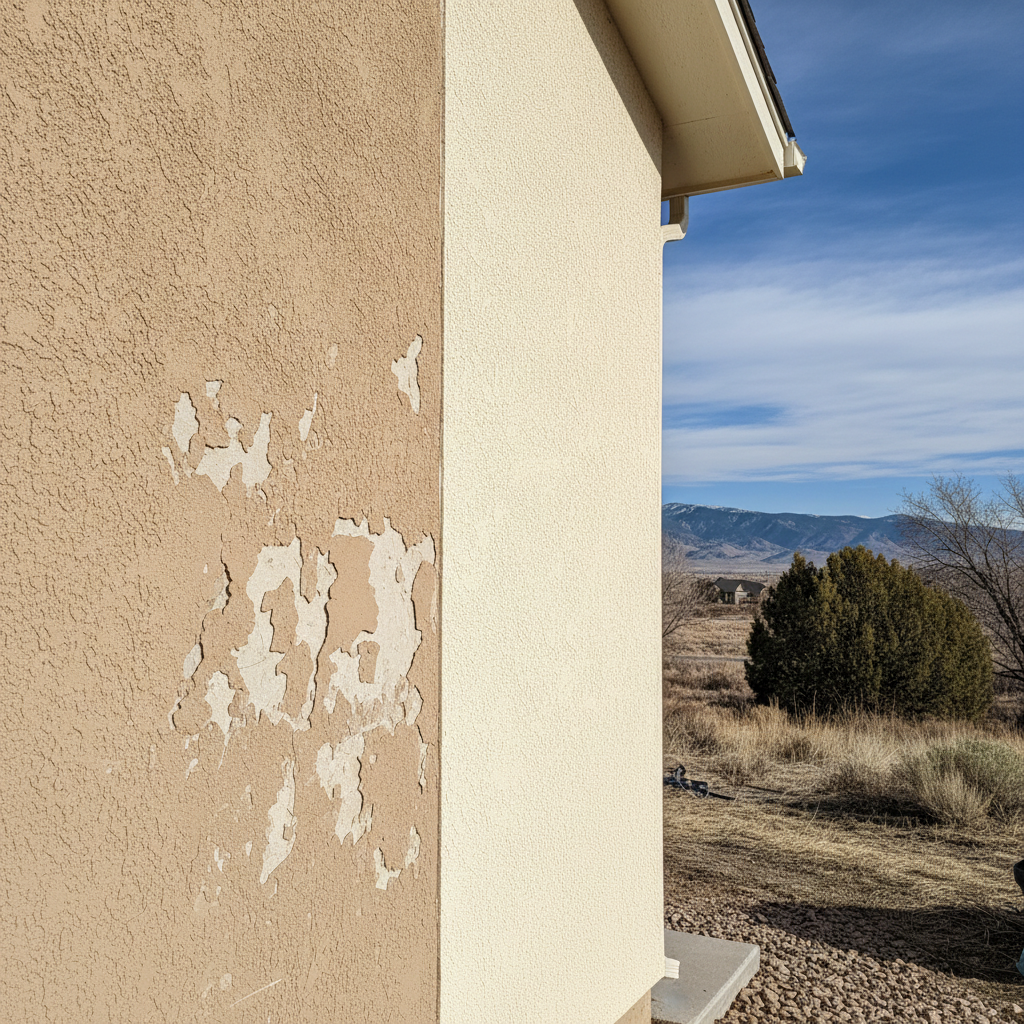
Alright, let's talk stucco. If you're building a new home or thinking about re-siding here in Herriman, you've probably heard a couple of terms thrown around: 'traditional three-coat' and 'one-coat' stucco. People often ask me which one's better, and honestly, it's not a simple 'this one wins' answer. It depends on what you're looking for, your budget, and how long you want it to last.
Traditional Three-Coat Stucco: The Gold Standard
This is the classic, old-school stucco system. It's been around forever, and for good reason. When I say 'three-coat,' I mean it literally: you've got a scratch coat, a brown coat, and then your finish coat. Each layer goes on separately, with drying time in between. This process builds up a really thick, dense, and incredibly hard shell on your home.
- Durability: This stuff is a tank. Its thickness means it's super resistant to impact, cracks, and general wear and tear. We've seen traditional stucco homes in Utah that are 50, 60, even 70 years old and still looking great with proper maintenance.
- Moisture Resistance: Because it's so thick and dense, traditional stucco sheds water very effectively. It's not waterproof, but it handles water really well. Proper flashing and weep screeds are still critical, of course, especially with our heavy snowmelt and spring rains here in the valley.
- Appearance: You get a really robust, solid look. The texture options are pretty endless, from smooth to heavy lace, and the color choices are vast.
- Cost: This is where it usually gets folks. Traditional three-coat is typically more expensive upfront. It's more labor-intensive, takes longer to install, and uses more material. You're paying for that extra thickness and durability.
- Installation Time: It takes longer. Each coat needs to cure, so you're looking at a multi-day, sometimes multi-week, process depending on the size of the house and weather conditions.
One-Coat Stucco: The Modern Option
Now, one-coat stucco is a different animal. It's a proprietary mix that combines the scratch and brown coats into a single, thicker layer. Then, like traditional, you apply a finish coat over that. It's often reinforced with fibers and has additives to improve workability and crack resistance.
- Durability: It's durable, no doubt, but generally not quite as impact-resistant as traditional three-coat. It's still a good, solid system, but it's not as thick. You might see more minor hairline cracking over time, especially with Herriman's expansive clay soils putting stress on foundations and framing.
- Moisture Resistance: Good, but again, not quite the same as traditional. Because it's thinner, the margin for error in application and flashing is smaller. It relies heavily on the integrity of that single base coat and the finish.
- Appearance: You can achieve many of the same textures and colors as traditional stucco. From a distance, it's hard to tell the difference.
- Cost: This is its big advantage. One-coat stucco usually costs less to install because it's faster and uses less material. If budget is your absolute top priority, this often wins out.
- Installation Time: Significantly faster than traditional. You're cutting out at least one major application step and associated drying time.
So, Which One Should You Pick for Your Herriman Home?
Look, if your budget is tight and you need a good, reliable stucco system that still looks fantastic, one-coat is a perfectly viable option. It's a solid product, and when installed correctly by experienced pros like us at Peak Stucco Inc, it'll serve you well for many years.
However, if you're building your forever home, or you want the absolute toughest, most long-lasting exterior you can get, and you're willing to invest a bit more upfront, traditional three-coat stucco is still my recommendation. The extra thickness and density provide a level of robustness that's hard to beat, especially with the weather extremes we get here in Utah – from scorching summers to freezing winters and those occasional heavy snowfalls that just sit on your foundation line.
Ultimately, both systems have their place. What's most important is that whichever you choose, it's installed by a reputable contractor who understands the nuances of stucco and proper flashing details. That's what really determines how well your stucco performs and how long it lasts, no matter if it's one coat or three.