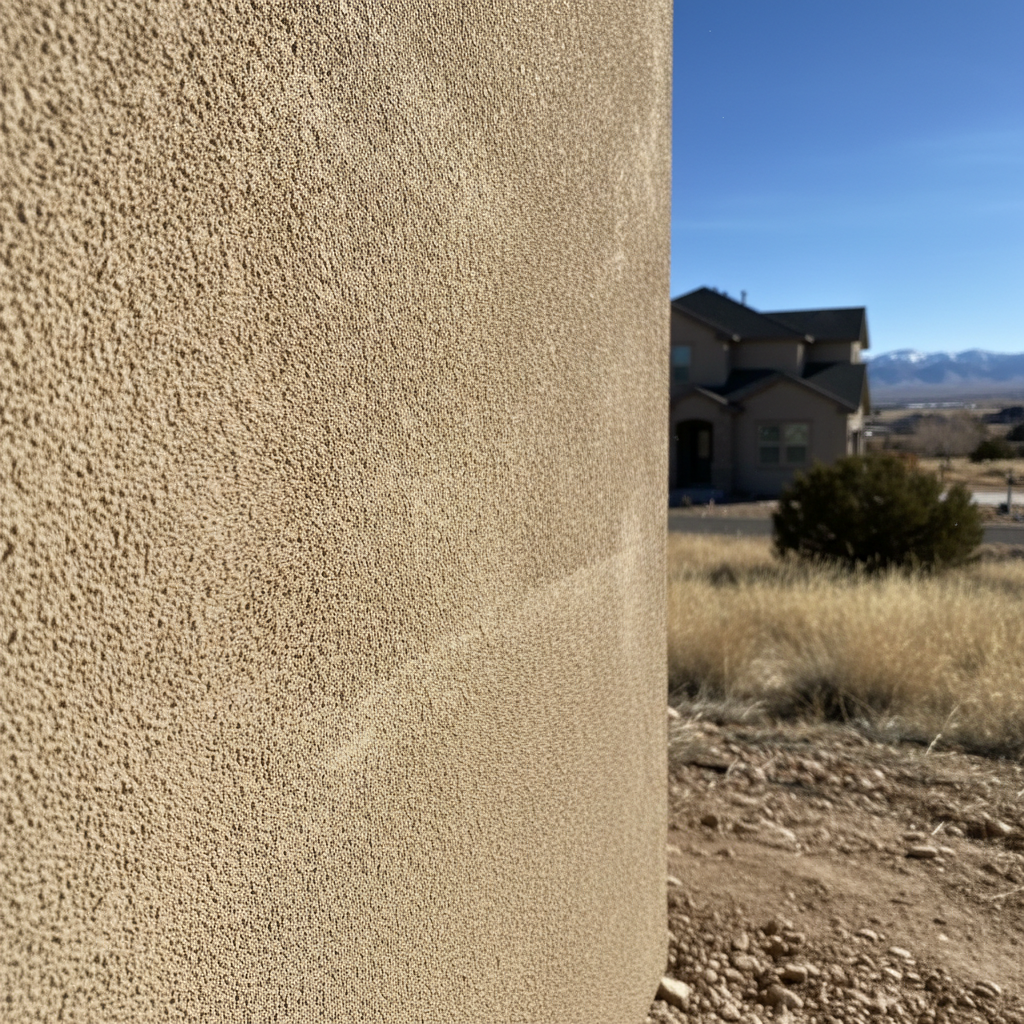
What causes stucco to crack in the first place?
Cracks in stucco are probably the most common repair call we get here at Peak Stucco Inc, and honestly, they can happen for a bunch of reasons. Sometimes it's just normal house settling, you know? Your foundation shifts a little, and the rigid stucco can't flex with it, so it cracks. Temperature swings, especially here in Herriman where we get those hot summers and cold winters, make materials expand and contract. That can definitely lead to stress cracks. Poor installation is another big one; if the mix wasn't right, or the lath wasn't properly secured, you're going to see issues down the road. Water intrusion is a sneaky culprit too. If water gets behind the stucco and freezes, it can push the material out, causing cracks and delamination. Even impact from a rogue baseball or a landscaping mishap can cause damage. It's rarely just one thing, but usually a combination of factors, which makes diagnosing it interesting.
How do I know if a crack is serious or just cosmetic?
That's a great question, and honestly, it's not always obvious to the untrained eye. Small hairline cracks, especially around windows and doors, are often cosmetic. They might not look great, but they're usually not letting water in. If you can fit a credit card into the crack, that's generally a sign it's more than cosmetic. Also, look for cracks that are wider at one end than the other, or cracks that run diagonally from corners of openings like windows or doors. These can indicate structural movement. Any crack that's accompanied by water stains, efflorescence (that white powdery stuff), or soft spots in the stucco around it is definitely a serious issue. You'll want to get those checked out quickly to prevent bigger problems. Don't just paint over it and hope it goes away, okay?
Can I just patch the stucco myself, or do I need a pro?
Look, I'm all for DIY when it makes sense. If you've got a tiny, superficial crack, and you're handy, you might be able to find a patching compound at a hardware store and make it look decent. But here's the thing with stucco: getting the texture and color match right is incredibly difficult. Even a small patch can stick out like a sore thumb if it's not done by someone who knows what they're doing. More importantly, if the crack is serious, or if there's water damage behind it, a DIY patch isn't going to fix the underlying problem. You'll just be putting a band-aid on a bigger wound. For anything beyond the most minor, cosmetic touch-ups, you really need a professional. We've got the tools, the experience, and the right materials to make sure the repair lasts and blends in properly. You don't want to spend money on materials and time only to have it look worse or fail quickly, right?
How long does a typical stucco repair take?
That depends entirely on the size and complexity of the repair. A small patch job for a single crack might only take a few hours of actual work, spread over a day or two to allow for drying time between coats. If we're talking about extensive damage, like a large section of stucco that needs to be removed and re-applied due to water intrusion or significant cracking, that could be a multi-day or even a week-long project. We often see this in older homes in areas like the Rosecrest neighborhood where the original stucco might be showing its age. Weather also plays a role; we can't apply stucco in freezing temperatures or heavy rain, so that can extend the timeline. When we give you an estimate, we'll give you a clear timeline, so you know what to expect.
What's the process for a professional stucco repair?
Alright, so when you call Peak Stucco Inc for a repair, here's generally how it goes. First, we'll come out and do a thorough inspection to figure out the root cause and extent of the damage. We don't just fix what's on the surface, you know? Once we know what we're dealing with, we'll give you a clear, detailed estimate. If you approve, we'll schedule the work. The actual repair usually involves carefully removing any loose or damaged stucco. If there's water damage behind it, we'll address that, replacing any rotted sheathing or framing. Then, we'll apply new lath if needed, followed by the scratch coat, brown coat, and finally, the finish coat. We'll pay close attention to matching your existing texture and color as best as possible. Clean-up is part of the job, too; we leave your property tidy. Our goal is to make it look like the damage was never there.
Will the repaired stucco perfectly match my existing stucco?
This is probably the toughest part of any stucco repair, and I'll be honest with you: a perfect, invisible match is incredibly hard to achieve, especially on older stucco. Over time, stucco fades due to UV exposure, dirt, and general weathering. Even if we use the exact same mix and color formula, the new stucco will be 'fresh' and the old stucco will be 'aged.' We do everything we can to get it as close as possible – we'll mix custom colors on-site, match textures, and sometimes feather the new material into the old to help blend it. Often, the repair will look slightly different for a while, but it will weather and blend in more over the next few months to a year. For the best possible match, some homeowners choose to repaint the entire wall or even the whole house after the repair, but that's a bigger project. We'll discuss your options and set realistic expectations upfront.
How can I prevent future stucco damage?
Prevention is always better than repair, right? First off, make sure your gutters and downspouts are clean and directing water away from your foundation and stucco walls. Water is stucco's biggest enemy. Regularly inspect your stucco for any new cracks or signs of moisture intrusion, especially around windows, doors, and rooflines. If you see small cracks, address them early before they become big problems. Keep your landscaping trimmed back; don't let bushes or trees rub against the stucco, as this can cause abrasion and trap moisture. If you're doing any exterior work, like installing new fixtures or running wires, make sure any penetrations are properly sealed. And honestly, just giving your stucco a good wash every year or two can help keep it clean and allow you to spot issues early. A little maintenance goes a long way in protecting your investment.