What exactly is stucco redashing, and is it different from a new installation?
Alright, let's clear this up right off the bat. When we talk about stucco redashing, we're essentially applying a new finish coat of stucco over an existing, solid stucco surface. It's not a full tear-off and re-do, which is a whole different ballgame. Think of it like repainting a wall versus tearing down the drywall and putting up new stuff. With redashing, we're not touching the underlying lath, the scratch coat, or the brown coat, assuming they're all in good shape. We're just adding a fresh, new finish layer to revitalize the look, change the color, or update the texture of your home.
A new installation, on the other hand, means starting from scratch. That involves attaching lath to the sheathing, then putting on a scratch coat, followed by a brown coat, and finally the finish coat. It's a much more involved, time-consuming, and expensive process. Redashing is a great option if your existing stucco is structurally sound but just looks tired, faded, or you want a different aesthetic. It's a real facelift, really.
How do I know if my stucco is a good candidate for redashing, or if I need a full replacement?
This is probably the most critical question, and it's where my experience really comes in handy. You can't just slap a new coat on top of a failing system. The existing stucco needs to be stable. What I look for first are signs of major structural issues. Are there large cracks that go all the way through the existing layers? Is the stucco delaminating, meaning it's separating from the wall or crumbling when you press on it? Do you see significant water damage, like persistent staining, efflorescence, or soft spots?
If your stucco has widespread deep cracking, a lot of moisture getting in, or feels soft and spongy, then redashing isn't going to fix those underlying problems. It'd be like putting a band-aid on a broken leg. In those cases, you're likely looking at a full repair or even a partial or complete replacement of the stucco system. But if it's mostly cosmetic — fading, minor hairline cracks, or just an outdated color or texture — then redashing is probably a fantastic solution for your Herriman home.
What kind of textures and colors can I choose for a redash?
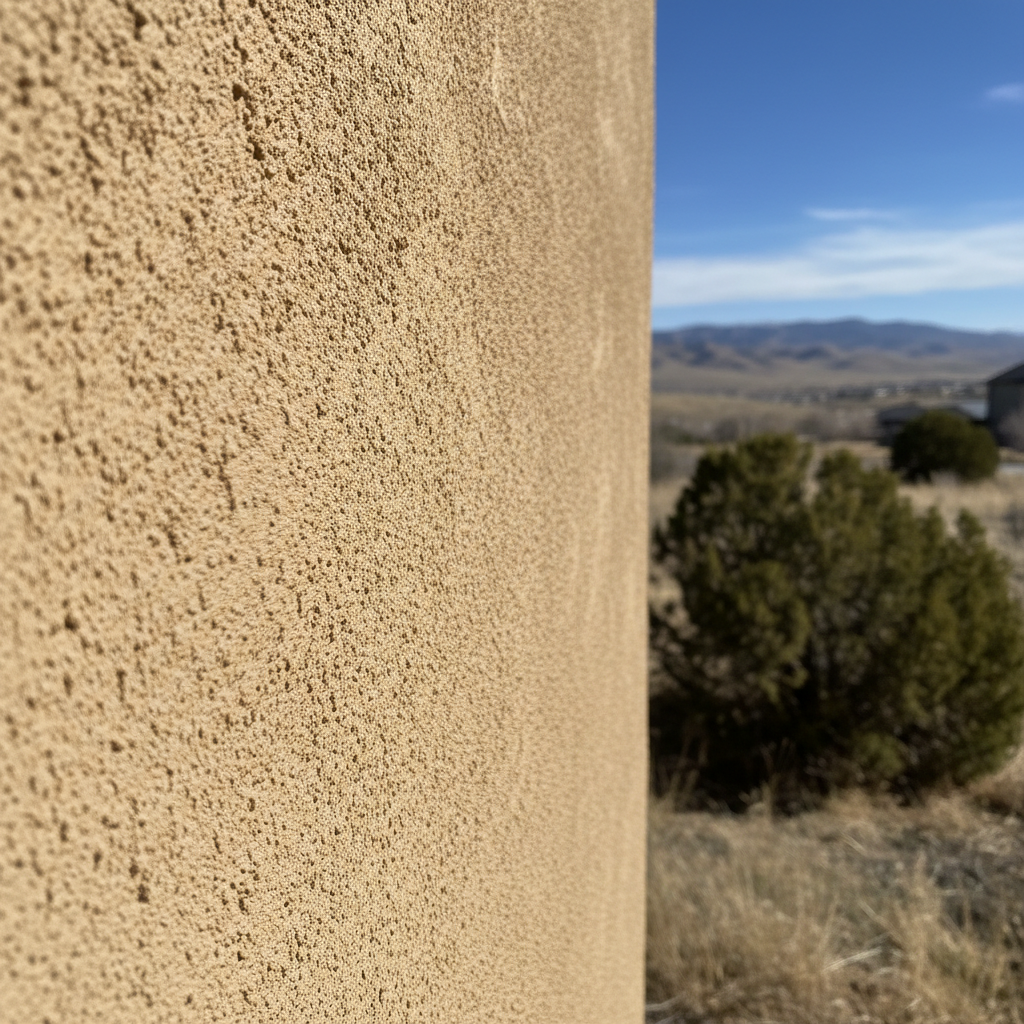
The beauty of redashing is that you get to completely transform the look of your home without the major hassle of a full tear-off. You've got a ton of options for textures. We can go with a smooth finish, a sand finish (which is pretty popular around here), a worm finish, or even a dash finish for a more pronounced, textured look. It really depends on the architectural style of your home and what kind of aesthetic you're going for. I've seen some older homes in the Rosecrest area get a complete facelift with a modern smooth finish.
As for colors, the sky's pretty much the limit. Stucco manufacturers offer a huge palette of colors. We use high-quality, integrally colored stucco, meaning the color is mixed throughout the material, not just painted on top. This gives you a much more durable, fade-resistant finish. We can match existing colors, or you can pick something completely new. We'll usually get you some samples to look at in different lighting conditions so you can be sure about your choice.
How long does a redashing project typically take?
The timeline for a redashing project can vary quite a bit, depending on the size of your house, the complexity of the architectural details, and of course, the weather. Here in Herriman, we get our share of temperature swings, especially in the spring and fall, which can affect drying times. Generally speaking, for an average-sized single-family home, you're usually looking at anywhere from a few days to a couple of weeks from start to finish. This includes prep work like cleaning the existing stucco, making minor repairs, applying a bonding agent, and then putting on the new finish coat.
We always aim to work efficiently without cutting corners. We want to make sure each layer cures properly before moving on to the next step. I'll give you a much more precise timeline once I've had a chance to see your property and understand the scope of work.
Will redashing fix existing cracks in my stucco?
This is a common misconception. Redashing itself isn't a crack repair solution for anything significant. If you have minor hairline cracks, the new finish coat might bridge over them and make them disappear cosmetically. However, if you have larger, structural cracks – the kind that go deep or are actively moving – those need to be properly repaired *before* we even think about redashing. We'll typically widen those cracks, fill them with a compatible repair material, and then blend them in. If we just redash over significant cracks, they'll likely reappear in the new finish coat, and you'll be right back where you started. My crew at Peak Stucco Inc will always assess your existing cracks and recommend the right approach to ensure a lasting finish.
What's the typical cost range for stucco redashing in Herriman?
Alright, let's talk numbers. Giving you an exact price without seeing your home is impossible, but I can give you a general idea. Redashing is significantly less expensive than a full stucco replacement, often costing 30-50% less. The final price depends on several factors:
- Square footage: Bigger homes, more material and labor. Simple as that.
- Condition of existing stucco: If there are a lot of minor repairs needed before we can redash, that adds to the cost.
- Texture choice: Some textures take more time to apply than others.
- Accessibility: If we need extensive scaffolding or have hard-to-reach areas, that affects labor time.
- Prep work: Cleaning, patching, and applying bonding agents are all part of the process.
Generally, you can expect to pay anywhere from $3 to $7 per square foot for a quality redashing job. This is a rough estimate, though. The best way to get an accurate quote is to have me come out, take a look at your home, and discuss your specific needs. We'll give you a transparent breakdown of everything involved.
How long can I expect a redashed stucco finish to last?
When done correctly, with good quality materials and proper technique, a redashed stucco finish can last a very long time – easily 15 to 25 years, and often even longer. It's essentially a fresh, durable layer that protects your home. The key is that the underlying stucco system was sound to begin with. If we're putting a new finish on a system that's already compromised by water intrusion or structural issues, then its lifespan will be limited by those underlying problems.
Regular maintenance also plays a big role. Keeping your stucco clean, addressing any minor cracks or damage promptly, and making sure your gutters and downspouts are directing water away from the walls will help extend the life of your redash. It's an investment, and like any investment, taking care of it will give you the best return.