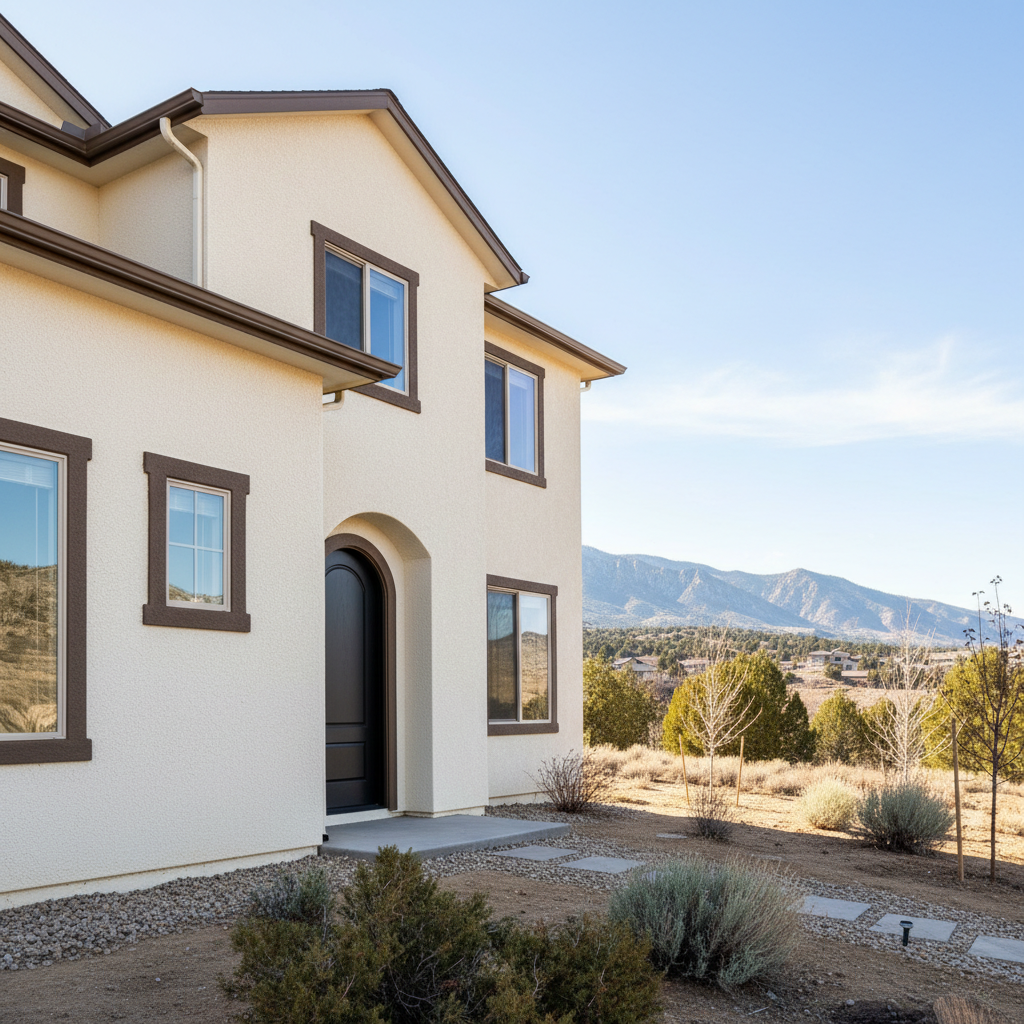
Alright, so you've got EIFS (Exterior Insulation and Finish System) on your home here in Herriman. Maybe we installed it for you, or perhaps it was already there when you bought the place. Either way, you've made a good choice. EIFS offers fantastic insulation and looks great. But just like anything else on your house, it's not a 'set it and forget it' kind of deal. You've got to give it a little attention to make sure it lasts as long as it should.
Extending Your EIFS's Life
The biggest thing you can do to extend the life of your EIFS is simple: keep water out. EIFS is designed to shed water, but it's not waterproof. It's a water-managed system, meaning any water that gets behind the finish needs a way to drain out. That's why proper installation with good flashing and drainage is crucial, but your part in this is making sure those systems stay clear and functional.
Think about our crazy weather here. We get those scorching summers, then harsh, snowy winters, and plenty of freeze-thaw cycles in between. That constant expansion and contraction can really put stress on any exterior. Regular inspections are your first line of defense. Walk around your house a couple of times a year, maybe in the spring after the snow melts and again in the fall before winter hits. Look for anything that seems off.
Another big one? Make sure your landscaping isn't working against your EIFS. You don't want bushes or trees growing right up against the wall. That traps moisture, creates shade where things stay damp, and can even physically damage the finish. Keep plants trimmed back, ideally a foot or so away from the wall. Also, make sure your sprinklers aren't constantly drenching your EIFS. That's just asking for trouble, honestly.
What Regular Maintenance Looks Like
Regular maintenance for EIFS isn't rocket science, but it is important. Here's what I tell folks:
- Keep it Clean: Dirt, dust, and even mildew can build up, especially on north-facing walls that don't get much sun. A gentle cleaning once a year or so is usually enough. Use a soft brush and a mild detergent solution (like dish soap and water). Rinse thoroughly with a garden hose. Don't use a high-pressure washer; you can damage the finish and force water into places it shouldn't go.
- Check Sealants and Caulking: This is huge. Look at all the places where your EIFS meets other materials – around windows, doors, utility penetrations (like hose bibs or dryer vents), and at the foundation line. The caulk or sealant here is your primary barrier against water intrusion. If it's cracked, dried out, or pulling away, it needs repair or replacement. This is a common spot for water to get in, especially with the ground settling we see in some of the newer developments around Herriman, like those in Rose Canyon.
- Inspect Gutters and Downspouts: Make sure they're clean and directing water away from your foundation and EIFS walls. Overflowing gutters can dump a lot of water directly onto your exterior, which is exactly what you want to avoid.
- Paint/Recoat as Needed: While EIFS is durable, the finish coat can fade or get a little chalky over time, especially on south-facing walls that get hammered by the sun. A fresh coat of elastomeric paint designed for EIFS can refresh its look and add another layer of protection. This isn't an annual thing, but maybe every 10-15 years, depending on exposure and the quality of the original finish.
Warning Signs of Problems
You're walking around your house, what should you be looking for that screams 'problem'? Here are the big ones:
- Cracks: Hairline cracks are pretty normal with any exterior finish due to thermal expansion and contraction. But if you see cracks that are wider than a credit card, or if they're long, jagged, or in a spiderweb pattern, that's a red flag.
- Bulges or Soft Spots: Press gently on the EIFS in different areas. If it feels soft, spongy, or you see a bulge, that usually means moisture is trapped behind it, and the insulation board or sheathing is getting wet. This is serious.
- Stains or Discoloration: Dark streaks, especially below windows or other penetrations, often indicate water is running down the wall from a leak point. Algae or mildew growth in specific areas can also point to a persistent moisture issue.
- Peeling or Flaking Finish: The top coat shouldn't be peeling off. If it is, it could be a sign of poor adhesion, moisture issues, or just an old, worn-out finish that needs attention.
- Separation at Joints: As I mentioned, if the sealant around windows, doors, or other transitions is pulling away, it's an open invitation for water.
When to Call a Professional
Look, some things you can handle yourself, like cleaning or replacing a bit of caulk. But when you see those bigger warning signs – serious cracking, bulges, persistent staining, or any indication of water intrusion – that's when you call us. Don't try to patch over a bulge; you're just putting a band-aid on a bigger problem. You need someone who understands EIFS and how water interacts with it.
At Peak Stucco Inc, we've seen it all. We can properly diagnose the issue, find the source of the water if that's the problem, and make the right repairs to protect your investment. Catching these things early can save you a ton of money and headache down the road. So, keep an eye on your EIFS, and if you're ever unsure, just give us a call. We're here to help keep your Herriman home looking good and staying dry.