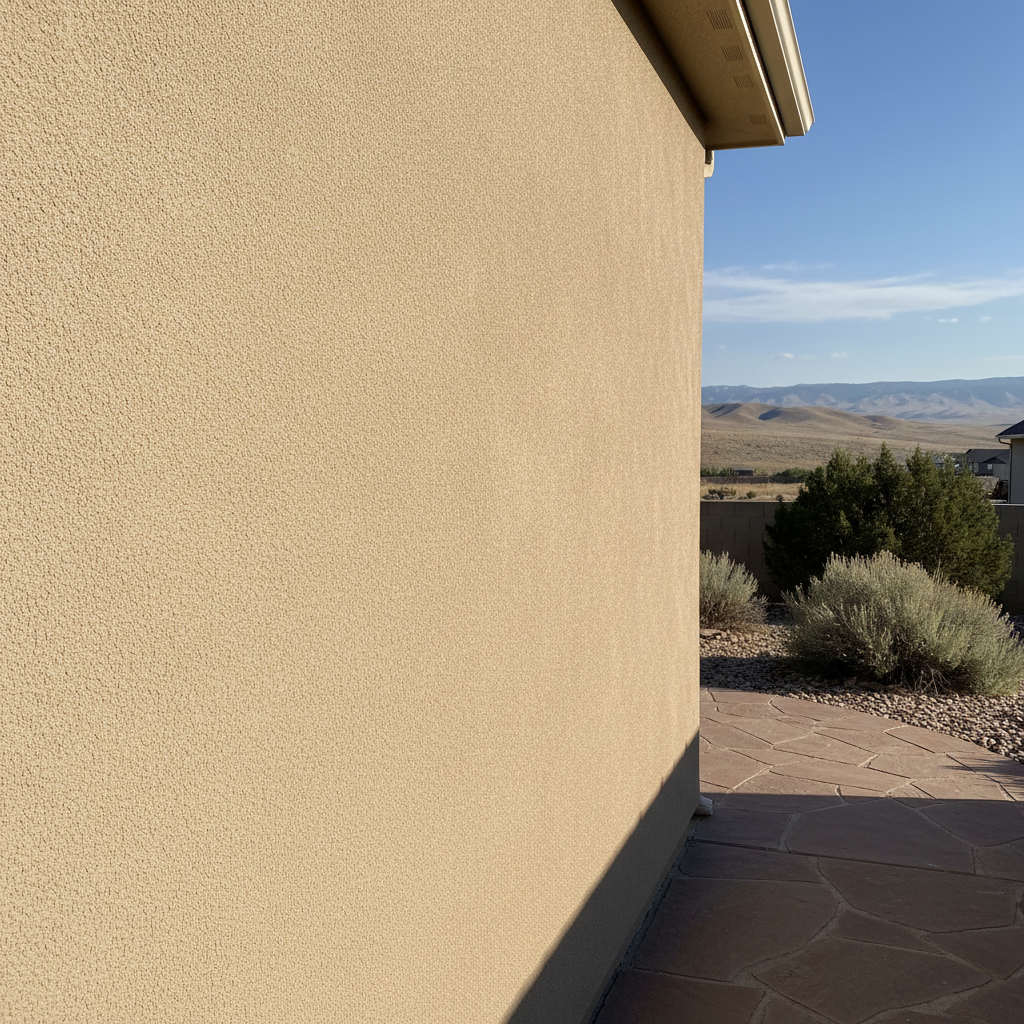
EIFS, or Exterior Insulation and Finish Systems, is a fantastic choice for homes here in Herriman. It's tough, looks good, and really helps with your energy bills, especially with our hot summers and cold winters. But like anything on your house, it's not a 'set it and forget it' kind of deal. You've got to give it a little love to make sure it lasts as long as it should. I've seen plenty of EIFS installations around town, from the newer builds in Rosecrest to older homes, and I can tell you, a little maintenance goes a long way.
Extending the Life of Your EIFS
The biggest thing you can do to extend the life of your EIFS is simple: keep it clean and keep it dry. That sounds obvious, right? But you'd be surprised how often folks overlook it. Dirt and grime can build up, especially on north-facing walls that don't get as much sun. This isn't just an aesthetic thing; that buildup can hold moisture against the surface, which is exactly what you want to avoid. A gentle cleaning once a year or so can make a huge difference.
Another key is making sure your gutters and downspouts are doing their job. If water is constantly cascading down your EIFS because of clogged gutters or a poorly directed downspout, you're asking for trouble. That constant stream of water can erode the finish over time and, more importantly, find its way into places it shouldn't be. Make sure water is directed away from your foundation and walls.
Also, keep an eye on your landscaping. Bushes and trees that are right up against the EIFS can trap moisture and prevent proper drying. They can also scratch the surface. Give your EIFS some breathing room. Trim back those shrubs a good foot or two from the wall.
What Regular Maintenance Looks Like
For most homeowners, regular EIFS maintenance isn't a huge chore. Here's what I recommend:
- Annual Inspection: Walk around your house once a year, preferably in the spring after the snow has melted and before everything gets too green. Look closely at all the walls.
- Gentle Cleaning: If you see dirt, dust, or even some mildew (which can happen in shady spots), use a soft brush and a mild detergent solution. You can use a low-pressure power washer, but be super careful. Too much pressure can damage the finish. Think garden hose pressure, not industrial strength.
- Caulking Check: Pay special attention to where the EIFS meets other materials – windows, doors, trim, utility penetrations. The caulk here is your first line of defense against water intrusion. If it's cracked, shrunken, or missing, it needs to be repaired or replaced.
That's really it for the basics. It's about being observant and proactive.
Warning Signs of Problems
Now, sometimes things go wrong despite your best efforts. Knowing what to look for can save you a lot of headaches and money down the road. Here are some red flags:
- Cracks: Small hairline cracks are usually nothing to worry about, but anything wider than a credit card, or cracks that form a spiderweb pattern, need attention.
- Bulges or Soft Spots: If you press on the EIFS and it feels soft or spongy, or if you see areas that are clearly bulging out, that's a big problem. It almost always means water has gotten behind the system.
- Staining: Dark streaks, especially below windows or other openings, can indicate water is leaking out from behind the EIFS.
- Pest Activity: Holes or tunnels could mean insects or rodents are making a home in your insulation.
- Missing or Damaged Caulk: Like I said, this is crucial. If the caulk around openings is failing, water will get in.
Don't ignore these signs. They don't usually fix themselves, and they tend to get worse over time, especially with our freeze-thaw cycles here in Utah.
When to Call a Professional
You can handle the cleaning and minor caulk repairs yourself if you're comfortable. But for anything more serious, or if you're not sure what you're looking at, it's time to call in the pros. If you see significant cracking, bulging, or persistent staining, you absolutely need a professional EIFS contractor to assess the situation. Trying to patch over a bigger water intrusion problem yourself is like putting a band-aid on a broken bone – it won't solve the underlying issue and could make it worse.
Here at Peak Stucco Inc, we've got the experience to diagnose EIFS issues correctly and make the right repairs. We've seen it all, from minor wear and tear to significant water damage. Getting it fixed right the first time will save you stress and money in the long run. Don't wait until a small problem turns into a major renovation project.